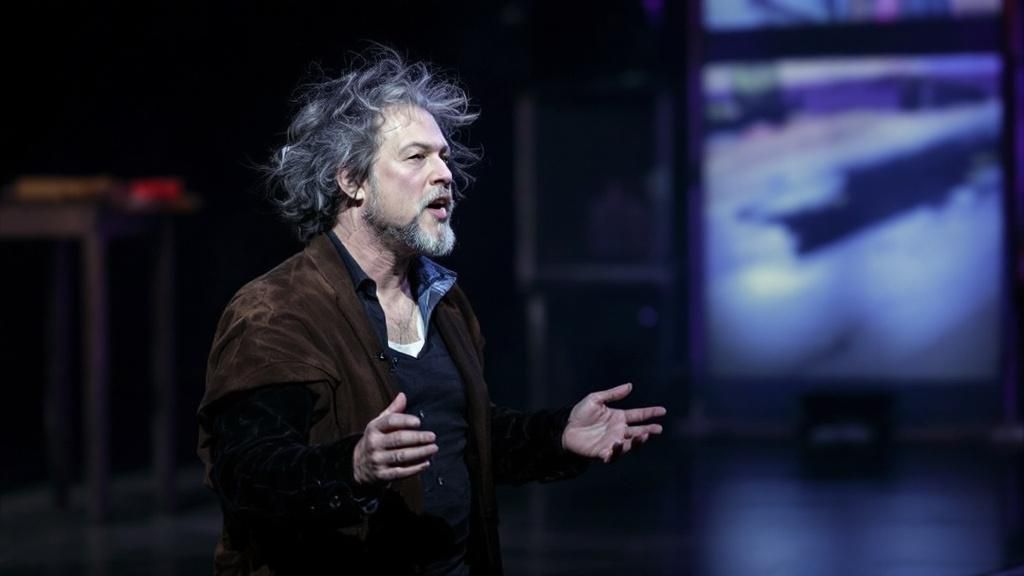
The National Theatre has introduced an ambitious new programme created to broaden participation in classical drama throughout the United Kingdom. This pioneering initiative aims to bring internationally acclaimed stage productions to regions far outside London’s West End, guaranteeing that audiences in rural and underserved regions can witness Shakespeare, Chekhov, and modern adaptations of enduring masterpieces. Through innovative touring schemes, digital platforms, and strategic alliances, the theatre is substantially altering how Britain interacts with dramatic literature, making high-quality performances an fundamental access point rather than a privilege.
Opening Up Access to World-Class Theatre to World-Class Theatre
The National Theatre’s scheme constitutes a significant transformation in how traditional theatre connects with patrons throughout the UK. By removing distance limitations and budgetary limitations, the scheme ensures that communities in countryside regions and financially struggling areas can experience shows traditionally limited to London’s elite venues. This dedication to accessibility embodies a fundamental belief that artistic merit should not be governed by zip code or spending power, but rather shared fairly between all people irrespective of their backgrounds.
Through collaborative alliances with regional theatres, academic organisations, and local arts organisations, the National Theatre is creating sustainable pathways for engagement with classical works. The programme includes travelling theatre shows, discounted ticket programmes, and locally-driven versions that foster local engagement and cultural ownership. By nurturing these partnerships, the theatre evolves beyond a singular London institution into a distributed network of cultural excellence, ensuring that the profound impact of theatre becomes genuinely accessible to audiences nationwide.
Digital Innovation and Community Engagement
The National Theatre’s plan depends on advanced digital solutions to extend its reach nationwide. By harnessing digital platforms and virtual performances, the institution provides concurrent viewing to performances for audiences who cannot visit physically. This technological infrastructure democratises cultural participation, letting people from Cornwall to the Scottish Highlands to experience world-class performances from home. The initiative also incorporates interactive digital resources, instructional content, and behind-the-scenes content, enriching the theatrical experience beyond standard theatrical performances and fostering deeper engagement with traditional theatrical works.
Equally important are the partnership arrangements established with theatre venues across regions, local councils, and community groups throughout the United Kingdom. These collaborations ensure productions connect with audiences from different backgrounds whilst supporting grassroots cultural infrastructure. The National Theatre offers funding, expertise, and artistic direction to partnering organisations, creating lasting cultural environments in communities lacking cultural investment. By working alongside community organisations rather than enforcing London-based criteria, the initiative honours community character whilst upholding artistic excellence. This cooperative structure transforms classical drama into a authentic countrywide initiative, rooting theatrical culture across communities and creating lasting cultural legacies.
Impact and Future Vision
The initiative’s effect reaches well beyond mere attendance figures, profoundly changing arts engagement throughout the country. Regional theatre venues document record engagement figures, with theatre-goers uncovering newfound appreciation for classical works once regarded as inaccessible. Regions without theatre facilities now enjoy stage performances, educational workshops, and insider perspectives. This democratisation cultivates a wider cultural sphere, encouraging the next generation to engage with dramatic literature as a key element of their learning and social growth.
Looking ahead, the National Theatre envisions ongoing growth of this groundbreaking scheme throughout the coming decade. Planned capital allocation in digital technology will further extend reach, allowing concurrent transmissions and on-demand access to recorded performances. Collaborations involving academic bodies will integrate traditional theatre within classroom teaching, fostering lifelong appreciation for theatrical arts. The scheme represents a pivotal turning point, establishing the concept that exceptional theatrical experiences form a basic cultural entitlement rather than an advantage restricted to the capital.
As this pioneering programme keeps developing, its success ultimately depends upon ongoing financial support, audience involvement, and collaborative partnerships. The National Theatre remains committed to evaluating effectiveness through viewer input, participation rates, and pedagogical achievements, ensuring accountability and sustained enhancement. This pioneering initiative signals a fundamental transformation in British society’s cultural outlook, demonstrating that traditional theatre is accessible to everyone.
