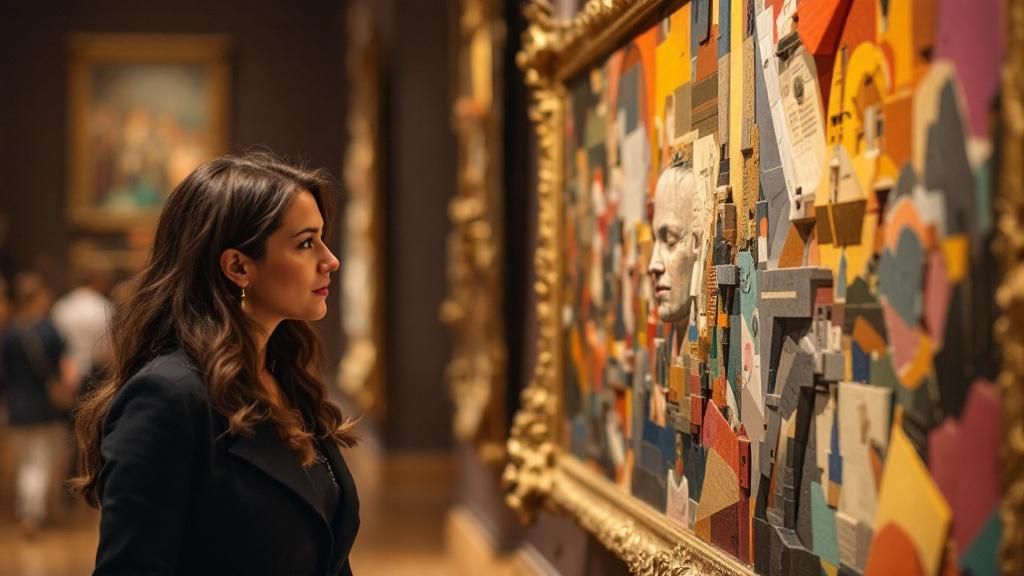
The British Museum has introduced an far-reaching new project to safeguard modern creative works for future generations. In a major dedication to modern art conservation, the museum has confirmed substantial funding for innovative conservation programmes intended to overcome the particular issues posed by modern artistic materials and methods. This deliberate commitment highlights the organisation’s understanding that contemporary pieces demand specialised care and knowledge, making certain that today’s creative expressions stay preserved and open for the foreseeable future.
Broadening Conservation Expertise
The British Museum’s commitment constitutes a pivotal step in creating premier preservation expertise carefully adapted to current creative practices. By setting up specialist research facilities and appointing principal authorities in modern materials science, the institution intends to build a thorough resource collection tackling the distinctive conservation demands created by modern artistic creations. This growth will allow conservators to utilise advanced methodologies whilst preserving rigorous ethical standards, ensuring that groundbreaking artistic approaches are protected with the equivalent thorough consideration traditionally afforded to period pieces and valued collections.
Central to this programme is the recruitment of highly skilled conservators with knowledge in emerging artistic forms and non-traditional materials. The museum acknowledges that contemporary artists regularly work with plastics, synthetic compounds, digital components, and mixed media that pose unprecedented conservation dilemmas. By assembling a multidisciplinary team of specialists, the British Museum will become a foremost leader in contemporary art preservation, attracting talented professionals from across the globe and fostering collaborative alliances with other leading bodies committed to protecting modern cultural heritage.
Furthermore, the programme encompasses comprehensive training schemes designed to cultivate the next generation of conservation professionals. Through apprenticeships, internships, and university collaborations with universities, the British Museum will guarantee that contemporary art conservation expertise stays current and progressive. This commitment to professional development ensures that future conservators possess the specialised knowledge necessary to address new conservation issues, ultimately strengthening the institution’s capacity to safeguard and sustain contemporary artworks in perpetuity.
Key Programmes and Funding Allocation
The British Museum’s financial support demonstrates a transformative approach to modern art preservation, with committed funds channelled into creating advanced centres and hiring skilled professionals. This planned resource allocation focuses on investigation of advanced conservation techniques, addressing the unique difficulties posed by modern materials encompassing digital formats, artificial polymers, and multimedia works. The resource allocation system ensures enduring advancement of conservation competencies whilst upholding the museum’s commitment to community involvement and educational outreach programmes.
Collaborative Expansion
Strategic partnerships form the foundation of the British Museum’s conservation strategy, enabling information sharing with major international bodies and research centres. Through formal partnerships with academic institutions and conservation specialists, the museum strengthens its technical capabilities and access to emerging technologies. These partnerships support collaborative training schemes, enabling conservators to develop advanced skills in treating contemporary artworks. The partnership structure bolsters the broader conservation sector, promoting uniform conservation practices across cultural organisations internationally whilst guaranteeing the British Museum remains at the forefront of contemporary art preservation.
The museum has developed structured partnerships with prominent conservation laboratories and academic institutions, creating robust networks for exchanging research findings and procedural advances. These partnerships extend beyond traditional museum boundaries, including partnerships with artists, technologists, and material scientists. Such interdisciplinary collaboration ensures preservation methods remain responsive to evolving artistic practices and new materials-related issues. The partnerships also facilitate availability of advanced tools and expertise not formerly accessible within individual institutions, substantially improving preservation capability and capability.
- Cooperative research endeavours with prominent academic institutions and heritage preservation organisations
- Information exchange partnerships with global museum institutions and cultural heritage bodies
- Professional development initiatives established collaboratively with conservation specialists
- Technology partnerships with digital archival and preservation experts
- Artist participation schemes guaranteeing modern viewpoints inform conservation methodology
The partnership model reflects the museum’s commitment to building long-term preservation systems supporting the whole cultural sector. By fostering working relationships, the British Museum contributes to building a wide-ranging assistance network for contemporary art preservation. These joint initiatives generate significant research findings, published widely within research and professional networks, advancing conservation science. The collaborative approach ensures resources are utilised efficiently whilst optimising beneficial outcomes among diverse institutions and areas.
Emerging Influence and Sector Direction
The British Museum’s commitment to current artistic conservation sets a fresh standard for heritage organisations across the United Kingdom and beyond. By introducing cutting-edge conservation techniques, the museum positions itself as a key voice in managing the shifting intricacies of contemporary art forms. This dedication will undoubtedly impact how peer organisations approach their own conservation strategies, promoting a joint methodology to protecting contemporary works that transcends established sectoral divides and promotes information exchange within the arts community.
The programme’s knock-on consequences will reach across the global heritage sector, setting precedents for leading methodologies in managing modern materials. The British Museum’s specialist skills and funding will enable smaller institutions and emerging museums to draw upon collaborative knowledge exchange and specialist advice. Furthermore, this undertaking demonstrates that spending on conservation systems produces substantial returns, far beyond just preserving artworks but furthermore in enhancing institutional reputation and securing both financial support and skilled experts dedicated to contemporary art stewardship.
Looking ahead, the British Museum’s investment promises to transform how society treasures and preserves modern creative work. By establishing robust preservation systems now, the institution secures that those who follow will inherit a thorough documentation of contemporary creative achievement. This future-focused approach reinforces the museum’s mission as guardian of our shared heritage, whilst also fostering a more expansive discussion about our collective responsibility to preserve the artistic legacy that characterises our present time.
