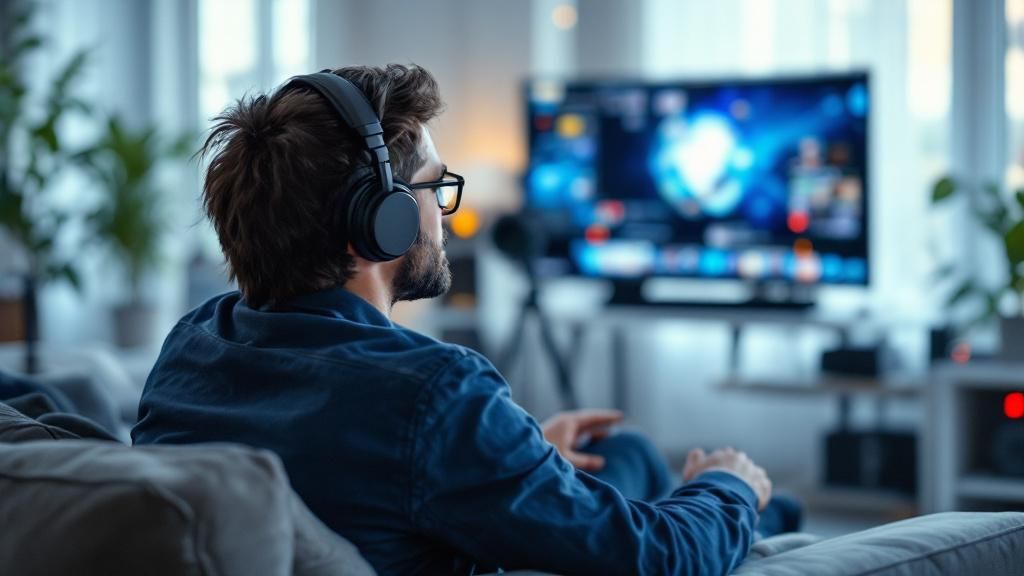
The classic cinema viewing has experienced a fundamental change in the past few years, with streaming services radically transforming how viewers watch films from home viewing environments. Gone are the days when cinema-goers had few choices; modern audiences enjoy unprecedented access to extensive collections of material at their disposal. This article investigates how platforms like Netflix, Disney+ and Amazon Prime have transformed the entertainment sector, analysing the technological innovations, evolving audience tastes, and cultural implications that have converted domestic film viewing into an increasingly sophisticated and customised experience.
The Rise of Streaming Platforms in Modern Entertainment
The emergence of streaming services has substantially transformed the entertainment sector throughout the past decade. What started as a specialised alternative to traditional cinema has developed into a leading force, transforming the way millions of viewers globally watch visual media. Platforms such as Netflix, Disney+ and Amazon Prime have invested billions in content procurement and original productions, generating intense competition against conventional theatrical releases. This change reflects significant shifts in consumer behaviour, technological innovation and the globalisation of entertainment markets, establishing streaming as the primary medium through which viewers now watch cinematic content.
The accessibility and convenience provided by streaming platforms have demonstrated irresistible to contemporary audiences. With subscription services eliminating the requirement for expensive cinema tickets or buying DVDs and Blu-rays, viewers can instantly access extensive catalogues from their living rooms. The capacity to watch on-demand, pause whenever you like and discover tailored suggestions has transformed viewing habits. Furthermore, these platforms have made available to world films and diverse content, enabling audiences in isolated areas to experience films previously unavailable locally. This shift represents not merely a shift in how films are delivered, but a comprehensive reimagining of entertainment consumption itself.
Easy Access and Availability Reshaping Viewing Habits
Streaming services have significantly altered the way audiences consume cinema, overcoming geographical and temporal barriers that once limited viewing options. Rather than adhering to rigid cinema schedules or travelling to physical locations, viewers can now watch films instantaneously from their homes, at times that fit their schedules. This extraordinary ease has democratised film consumption, enabling people across the United Kingdom to obtain the same premium content simultaneously, regardless of their location or socioeconomic circumstances.
The accessibility revolution surpasses simple ease of use, encompassing digital innovations that enhance the viewing experience significantly. Modern streaming platforms offer various quality settings, from standard definition to 4K ultra-high definition, permitting users to optimise their experience based on their connection speed and display capabilities. Additionally, features such as personalised recommendations, customisable subtitles in numerous languages, and adaptive streaming technology make certain that films remain accessible to varied viewers, including those with sight or hearing difficulties.
Perhaps significantly, streaming services have eroded the exclusivity that historically surrounded cinema releases. Films become obtainable simultaneously across multiple platforms and regions, eradicating the frustration of geographic release delays. This global accessibility has created a more inclusive entertainment ecosystem, where audiences worldwide can take part in cultural dialogue about films instantly, fundamentally altering how cinema functions as a shared cultural experience.
Quality of Original Content and Productions
Streaming services have substantially raised the benchmark for original content, committing vast sums to high-calibre projects that compete with standard big-screen offerings. Platforms such as Netflix, Disney+ and Amazon Prime now produce award-winning films and series from renowned filmmakers and writers, attracting elite professionals previously exclusive to cinema screens. This investment has expanded reach to premium content, allowing viewers to access theatrical-standard entertainment without leaving their homes. The rivalry between major platforms has generated an unprecedented creative renaissance, with each platform competing for recognition and viewer loyalty through creative narrative approaches and technical quality.
The breadth of exclusive content offered by online networks has revolutionised consumer expectations and entertainment behaviours markedly. From prestige dramas to large-scale productions, these services offer varied programming catering to different preferences and audience segments. Many highly praised films now debut on digital services, challenging standard theatrical distribution models. This transition has enabled independent directors to connect with international audiences in real time, promoting cross-cultural dialogue and creative diversity. As a result, audiences now enjoy unparalleled choice, with premium exclusive programming regularly updating their viewing options and improving their domestic viewing experience substantially.
The Evolution of Cinema and Audience Engagement
The evolution of streaming platforms points to an increasingly immersive future for home cinema. Emerging technologies such as 8K resolution, spatial audio, and virtual reality integration promise to elevate the domestic viewing experience to remarkable standards. As production budgets for streaming content keep rival theatrical releases, the gap between premium cinema and home entertainment will become less clear. Audiences can expect more refined interactive capabilities, personalised content curation powered by AI technology, and smooth integration across various devices, fundamentally redefining what it means to watch films at home.
Meanwhile, the relationship between streaming platforms and conventional movie theatres is developing into a increasingly collaborative relationship rather than outright competitive conflict. Studios now acknowledge the value of theatrical releases for big-budget films whilst adopting streaming for diverse, niche content. This blended approach benefits audiences by preserving the communal cinema experience whilst broadening access for those who cannot visit theatres. The future certainly belongs to a diversified entertainment ecosystem where streaming platforms and traditional venues coexist, each serving distinct audience preferences and viewing patterns in an ever more customised media landscape.
